






Styling a Kitchen With Distressed Cabinets
Distressed cabinets are intentionally aged or weathered to give them a vintage, lived-in appearance. This look is achieved through techniques like sanding, staining, or adding faux cracks and dents to mimic natural wear over time. While this style brings warmth and character into the heart of the home, styling a kitchen with distressed cabinets requires thoughtful planning to create a cohesive space. By pairing these distinctive cabinets with the right elements, you can achieve a look that is both timeless and personal.
Embrace a Central Design Theme
A central design theme acts as a guiding vision for your kitchen, shaping how every element—cabinets, hardware, lighting, and decor—works together. The theme reflects your preferred style and influences your color palette and material selections. Focusing on a single design direction helps the room feel balanced and intentional, rather than busy or mismatched.
Consider using these kitchen design themes with distressed cabinets:
- Rustic farmhouse: Showcases warm wood tones, open shelving, and cozy accents.
- French country: Brings in ornate details, antique finishes, and soft, muted colors.
- Industrial: Highlights raw materials like metal and exposed brick for an urban edge.
- Coastal cottage: Uses light colors, beadboard, and breezy fabrics for a relaxed vibe.
- Eclectic vintage: Mixes retro fixtures, patterned tile, and distinctive collectibles for a curated, personal touch.
Explore Cabinet Door Styles
Your choice of cabinet door style shapes the visual character of your kitchen, from sleek and contemporary to warm and vintage. It determines how well the cabinets complement the room’s color palette and textures. On a practical level, the door style affects usability, including how easy it is to clean and maintain. Below are some of the most popular types of cabinet door styles and how they work with a distressed finish.
Framed Kitchen Cabinets
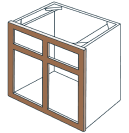
Framed cabinets are a classic option that features a structural face frame on the front of the cabinet box. This frame provides extra durability while allowing for various door styles to be attached, such as inset or partial overlay doors. When distressed, framed kitchen cabinets evoke a vintage charm, with the visible wear on the frame and door edges adding character and depth to the overall design.
Shaker Cabinet Doors
Known for their simplicity and clean lines, Shaker cabinet doors remain one of the most popular styles in kitchen design. These doors feature a recessed center panel with minimal detail, making them versatile for both modern and traditional spaces. When distressed, Shaker doors often emphasize their straight edges and flat surfaces, accentuating their timeless appeal while maintaining a casual yet elegant aesthetic.
Slab Cabinet Doors
Slab cabinet doors offer a minimalist and contemporary look, as they are made from flat, solid pieces with no raised or recessed panels. Their sleek and streamlined appearance makes them a go-to choice for modern kitchens. When distressed, slab doors create an intriguing contrast by combining their simple silhouette with a textured, antique finish that adds warmth and character.
Beadboard Cabinet Doors
Beadboard cabinet doors add a touch of cottage-style charm with their grooved panel design that resembles traditional beadboard paneling. These doors are ideal for creating a cozy, homey feel in kitchens. Distressing beadboard doors highlights the grooves and adds subtle dimension, enhancing their rustic, lived-in look.

Select Complementary Countertops
The right countertop material can either highlight or subdue the look of your distressed cabinets. Natural materials like granite, marble, or butcher block work exceptionally well, as their organic patterns and textures enhance the rustic feel. A neutral quartz countertop in a solid color can also provide a clean, modern contrast that makes the cabinets stand out.
Consider the countertop’s color and pattern in relation to the cabinet finish. A busy countertop pattern might clash with heavily distressed cabinets, so a simpler design could be a better choice. Bring countertop samples home so you can see how different materials look in your kitchen’s lighting and at various times of day.
Choose the Right Backsplash
A backsplash ties the cabinets and countertops together, completing the kitchen’s visual foundation. With distressed cabinets, you have the flexibility to go either bold or subtle.
Here are some popular backsplash options that pair well with distressed cabinets:
- Classic ceramic subway tiles in a neutral color.
- Natural stone tiles like travertine or slate.
- Patterned porcelain or cement tiles for a vintage feel.
- Beadboard paneling for a cottage or farmhouse look.
- Exposed brick veneer to create an industrial-rustic style.
Incorporate Effective Lighting
Lighting is crucial in any kitchen, but it takes on special importance when styling distressed cabinets. A well-lit space prevents the aged finish from making the room feel dark or outdated. Layering different types of lighting—ambient, task, and accent—creates a warm and functional environment.
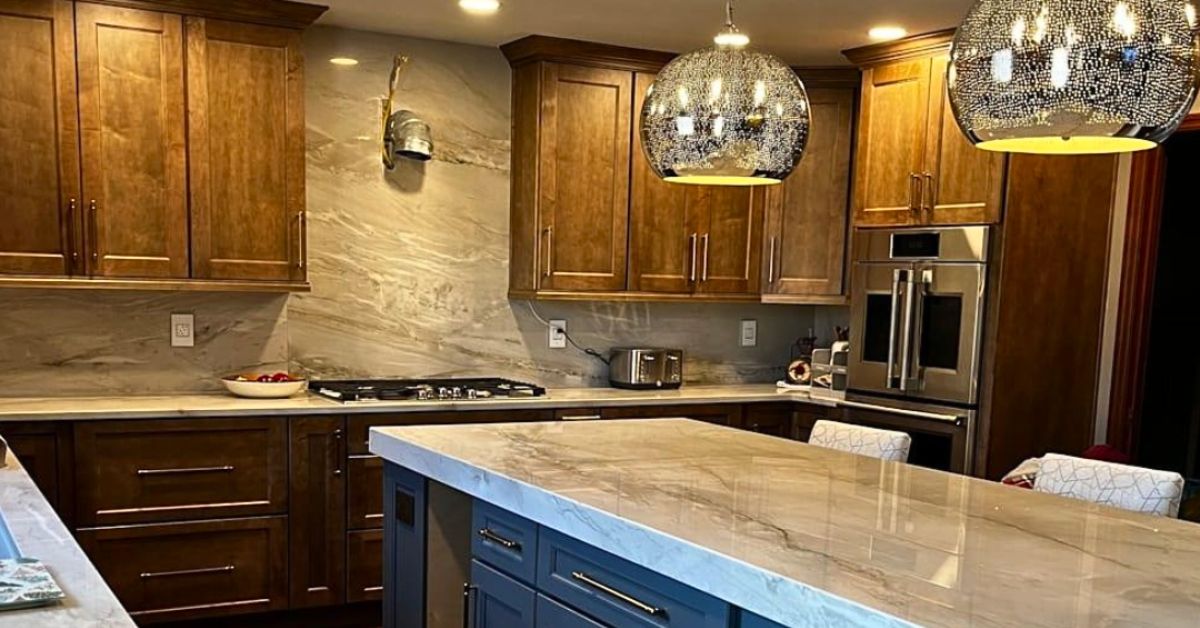
Ambient lighting, such as recessed ceiling lights or a central fixture, provides overall illumination. Task lighting, like under-cabinet LED strips, illuminates work surfaces for food preparation. Finally, accent lighting, such as pendant lights over an island or sconces, can highlight the beautiful texture and detail of your distressed cabinets.
Balance With Modern Appliances
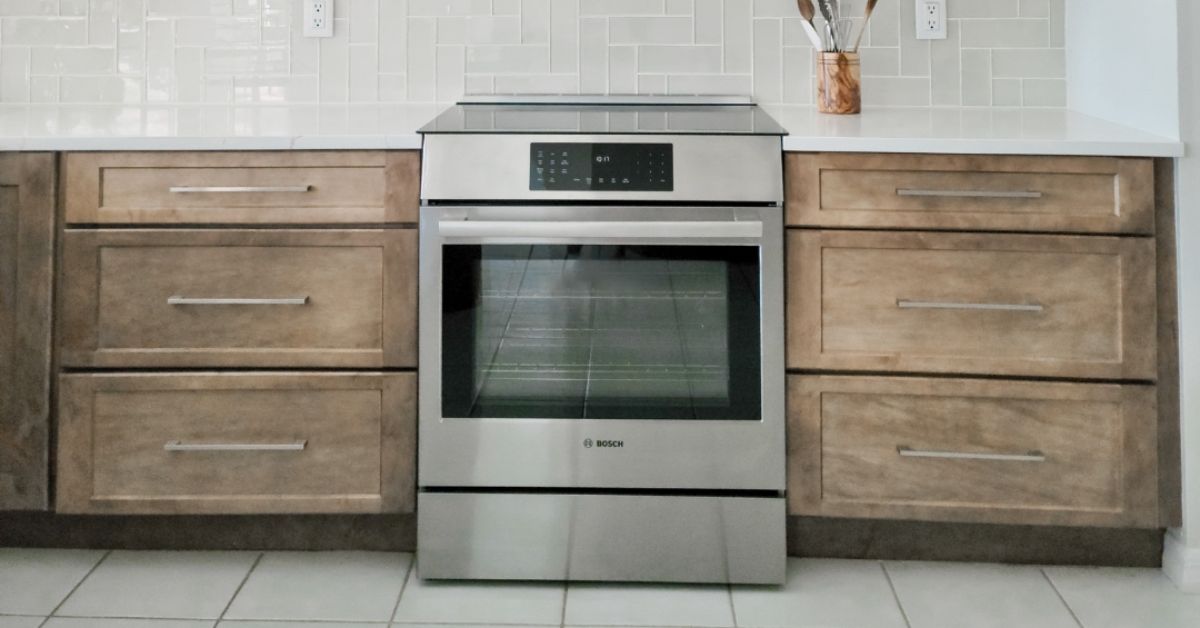
Integrating modern appliances into a kitchen with a rustic or vintage theme can be a design challenge. Stainless steel appliances are a popular choice as their clean lines and metallic finish offer a sleek contrast to the textured look of distressed wood. This mix of modern and rustic elements creates a balanced, transitional style that is both functional and visually appealing.
For a more seamless look, some homeowners opt for panel-ready appliances. These appliances can be fitted with custom panels that match the distressed cabinetry, allowing them to blend in completely. This approach maintains the kitchen’s cohesive, rustic aesthetic without sacrificing modern convenience.
Add Color and Texture
Beyond the main components, introducing pops of color and varied textures can bring your kitchen to life. Use accessories like decorative bowls, vases, or even a colorful stand mixer to add vibrant accents. Textiles, such as patterned window treatments, a woven area rug, or upholstered bar stools, can also introduce color and soften the hard surfaces of the kitchen. You can also use an accent wall to introduce a new color or material.
Consider these elements to add personality and warmth to the space:
- A collection of ceramic pottery on open shelves.
- Hanging copper pots and pans from a ceiling rack.
- A vintage-style rug in front of the sink.
- Linen or cotton curtains on the windows.
- Fresh herbs in small pots on the windowsill.
Pull It All Together With Flooring
The flooring choice should ground the entire design and complement the distressed cabinets. Hardwood floors are a natural fit, enhancing the warm and rustic feel of the kitchen. A wood finish that contrasts slightly with the cabinet color can add depth and visual interest to the room.
Other materials like slate, travertine, or terracotta tiles also work well, particularly in rustic or Mediterranean-inspired designs. Their natural texture and earthy tones harmonize beautifully with the aged look of distressed cabinetry. Whichever material you choose, it should be durable enough to handle the high traffic of a busy kitchen.
Successfully styling a kitchen with distressed cabinets involves creating a harmonious balance between various design elements. From countertops and hardware to lighting and flooring, each choice contributes to the final look and feel of the space. The goal is to craft a kitchen that feels authentic, comfortable, and reflective of your personal style. If you need guidance along the way, consulting with a kitchen design professional or a Legacy Cabinets dealer can help you achieve your desired look.