

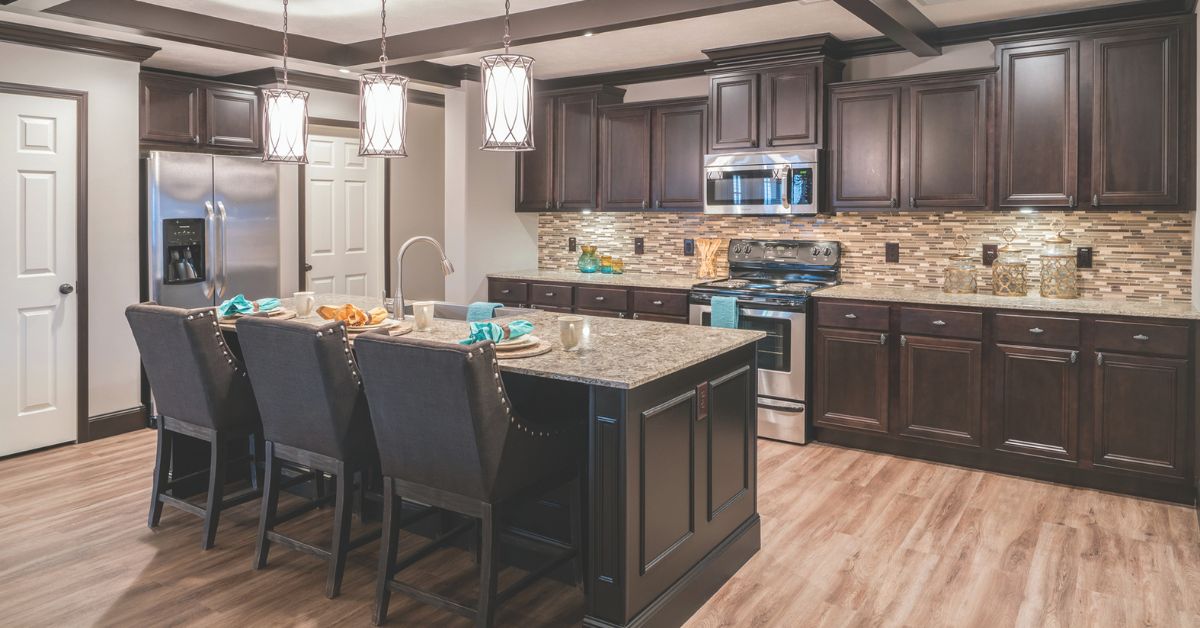
Selecting the right wood for your cabinets is one of the most important decisions you’ll make during a kitchen or bathroom remodel. Each wood type brings its own unique color tones, grain styles, and natural variations. You have plenty of reliable options for your space, as modern cabinetry blends strength and aesthetics. Learn how different types of wood influence the style, durability, and overall feel of cabinets.
Hardwoods vs. Softwoods for Cabinets
The first major distinction to understand is the difference between hardwoods and softwoods. Hardwoods come from deciduous trees, which lose their leaves annually, and are generally denser and more durable. This makes them an excellent choice for high-traffic areas like kitchens, where cabinets are opened and closed frequently. Popular hardwoods used for cabinetry include oak, maple, cherry, and walnut.
Softwoods, on the other hand, come from coniferous trees that have needles and cones. While typically less expensive, softwoods are more prone to dents and scratches than their hardwood counterparts. For this reason, they are often used for rustic or distressed cabinet styles where minor imperfections add to the charm. Common softwoods used in cabinetry include pine, cedar, and fir.
What Makes Wood Hard?
The hardness of wood is influenced by its density, which is shaped by the tree’s growth conditions and cellular structure. Trees that grow slowly, often in cooler climates, develop tightly packed growth rings, resulting in denser wood. Hardwoods also have a more intricate vascular structure with smaller pores, giving them their renowned strength and durability.
Timeless Oak
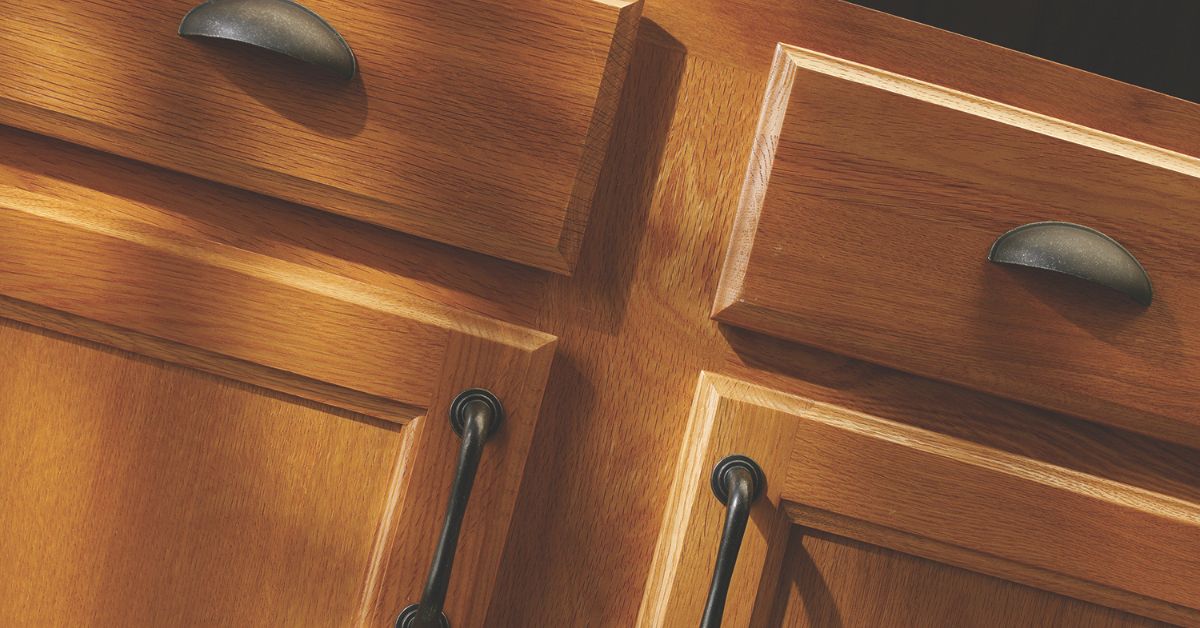
Oak is a classic and highly popular choice for cabinetry, known for its strength, durability, and prominent grain pattern. It is available in two main varieties: red oak, with a warmer, pinkish hue, and white oak, which is more grayish-brown. Oak accepts stains well, allowing for a wide range of finishes from light to dark.
Because of its hardness, oak is resistant to warping and wear, making it a reliable, long-lasting option for any kitchen. Its distinct grain can create a traditional or rustic look, adding texture and character to your space. Thanks to their durability, versatility, and appearance, oak cabinets remain a homeowner favorite year after year.
The Elegance of Maple Wood
Maple is another prized hardwood, favored for its smooth, fine grain and light, creamy color. Its subtle texture provides a clean and contemporary look, making it a versatile choice for modern and transitional kitchen designs. Maple is also exceptionally strong and durable, standing up well to the demands of a busy household.
Due to its uniform surface, maple is an excellent canvas for paints and light stains, although it can sometimes appear blotchy with darker finishes if not properly conditioned. Its clean appearance and resilience make it a premium choice for creating a bright and sophisticated kitchen.
Cherry: A Rich and Warm Option
Cherry wood is celebrated for its rich, warm reddish-brown color and smooth, satiny texture. When first installed, cherry cabinets often have a lighter, pinkish tone that deepens and darkens over time with exposure to light. This natural aging process is one of cherry’s most beloved characteristics, adding depth and elegance to the wood.
While slightly softer than oak or maple, cherry is still a durable wood that brings a sense of luxury and formality to a room. Its beautiful grain and deep tones pair well with both traditional and contemporary styles.
The Janka Hardness Scale
When evaluating wood durability, the Janka hardness scale is the industry standard. This test measures the force required to embed a small steel ball halfway into a piece of wood, providing a reliable rating of its resistance to denting and wear. Woods with a higher Janka rating, like hickory, are more resilient, while those with a lower rating, like pine, are softer.
Hickory: Strength and Character
Hickory is one of the hardest and most durable domestic woods available for cabinets, making it an ideal choice for a busy and active home. It is known for its dramatic color variations, with tones ranging from creamy white to dark reddish-brown, often appearing on the same board. This striking contrast creates a bold, rustic look that is full of character.
Hickory’s strong, distinct grain pattern further enhances its unique appearance. While the wood’s hardness makes it resistant to damage, it can also make it more challenging to work with, which can increase costs. For those who appreciate a dynamic and natural aesthetic, hickory cabinets make a powerful statement.
Alternative Wood Materials
Beyond solid woods, several other materials are commonly used in cabinet construction. Exploring these options can help you find the right balance of appearance, durability, and budget for your project.
Here is a list of common alternatives to solid wood cabinets:
- Medium-density fiberboard (MDF): An engineered wood product made from compressed wood fibers, ideal for painted cabinets due to its smooth surface.
- Plywood: Made from layers of wood veneer glued together, offering excellent strength and stability, especially for cabinet boxes.
- Particleboard: An economical option made from wood chips and resin, often used with laminate or veneer finishes.
- Veneer: A thin layer of real wood applied to a core of plywood or MDF, providing the look of solid wood at a lower cost.
- Laminate and Thermofoil: Synthetic coatings applied to an MDF or particleboard core, available in a vast array of colors and patterns.

Choosing Your Cabinet Finish
A finish protects the wood from moisture, stains, and daily wear while enhancing its natural beauty. Stains are a popular choice because they soak into the wood, coloring it while allowing the natural grain to show through.
Paint, on the other hand, provides an opaque finish that covers the wood grain for a smooth, uniform look. Glazes can be applied over stains or paints to add depth and highlight details in the cabinet doors.
Customizable Options
For a truly personalized kitchen, many homeowners opt for made-to-order cabinets. This allows for the widest selection of materials, colors, and stains. At Legacy Cabinets, our Presidential Series includes exclusive finishes that will make your cabinetry look custom-built. The right finish not only completes the look but also extends the life of your cabinetry.
By comparing the aesthetics and strengths of different types of wood, you can choose the right one for your cabinets. Consider factors like your home’s style, your family’s lifestyle, and your budget as you weigh the pros and cons of each option. Whether you prefer the classic durability of oak, the modern appeal of maple, or the rich warmth of cherry, the perfect wood will make your dream kitchen come true.