


Creating a cohesive and appealing bathroom space requires careful consideration of color choices that work harmoniously together. The colors you select will influence the overall atmosphere, perceived size, and functionality of your bathroom. Understanding how different hues interact with lighting, fixtures, and materials helps your remodel achieve the desired aesthetic and practical goals.
Your color scheme influences all other design decisions, from tile selections to hardware finishes. This comprehensive approach to selecting a color scheme for a bathroom remodel will help every element work together to create a space that feels intentional and well-designed.
Understanding Color Temperature and Lighting
Natural and artificial lighting affect how colors appear in your bathroom throughout the day. Cool colors like blues, greens, and purples tend to recede visually, making spaces feel larger and more open. These colors work particularly well in bathrooms with abundant natural light, where they can create a fresh, spa-like atmosphere.
Warm colors, including reds, oranges, and yellows, advance visually and can make spaces feel cozier and more intimate. These hues work effectively in larger bathrooms where you want to create a more welcoming, enveloping environment. However, warm colors require careful balance to avoid overwhelming smaller spaces.
Consider how the lighting conditions in your bathroom change throughout the day. North-facing bathrooms receive cooler, more consistent light, while south-facing spaces get warmer, more variable illumination. East and west-facing bathrooms experience dramatic shifts from cool morning light to warm evening light, requiring color choices that look appealing under these changing conditions.
Working With Existing Elements
Many bathroom remodels involve working around existing elements, such as tubs, showers, or architectural features that can’t be easily altered. These fixed elements should guide your color scheme selection rather than limit it. White or neutral fixtures provide the most flexibility, allowing you to choose from a wide range of color palettes.
If you have colored fixtures, use them as inspiration for your overall scheme. Beige or almond fixtures pair beautifully with warm earth tones, while colored tiles make for beautiful accent colors within a more neutral palette. Prefinished cabinets in wood tones can anchor your color scheme and provide a starting point for selecting complementary wall colors.
Consider the undertones in your existing materials as well. Many seemingly neutral elements have subtle color undertones that become more apparent when paired with certain colors. Gray tiles might have blue, green, or purple undertones, while beige materials often contain yellow, pink, or orange undertones.
Creating Visual Balance and Flow
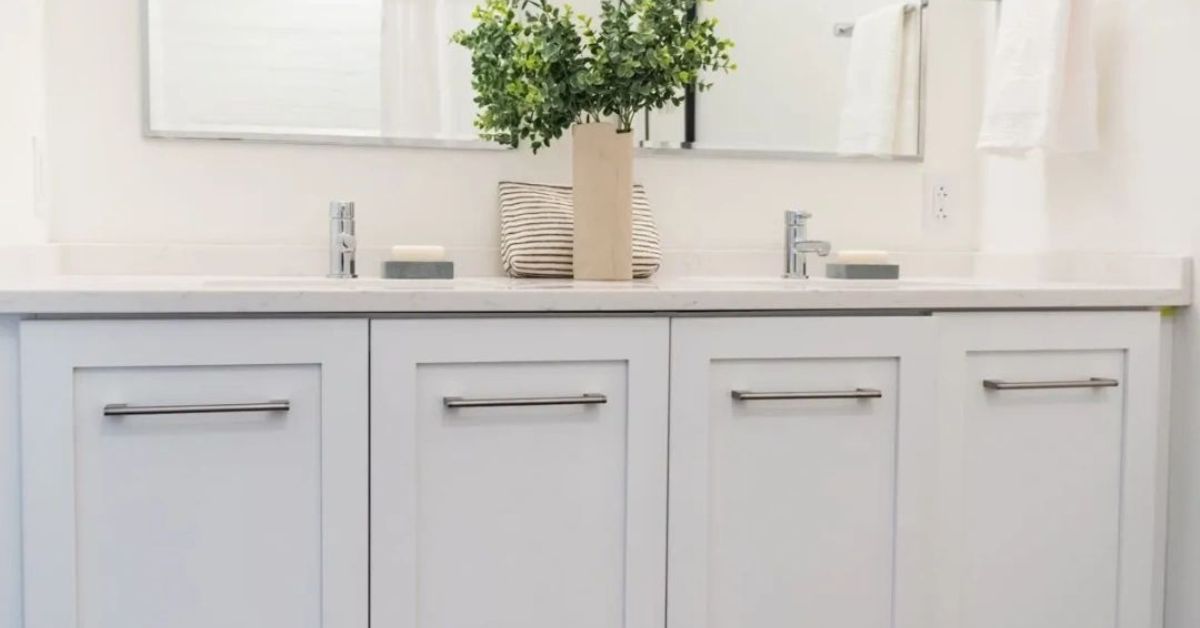
A successful color scheme creates visual balance between all surfaces and elements in your bathroom. The 60-30-10 rule provides a helpful framework for distributing colors throughout the space.
According to this rule, 60 percent of your bathroom should feature your dominant color, typically a neutral shade on walls or large surfaces. Then, 30 percent should showcase your secondary color, perhaps on vanity cabinets or accent walls. Finally, 10 percent should highlight your accent color through accessories, artwork, or small decorative elements.
This distribution prevents any single color from overwhelming the space while providing enough variety to create visual interest. Your dominant color should be one you can live with long-term, as it will have the greatest impact on the room’s overall feel. Secondary and accent colors can be bolder or trendier, as they’re easier to change if your preferences evolve.
Consider how colors transition between different surfaces. Abrupt color changes can create jarring visual breaks, while gradual transitions feel more natural and harmonious. Use varying shades or tints of the same color family to create subtle variations that add depth without disrupting the overall cohesion.
Choosing Colors for Different Bathroom Styles
Traditional bathroom styles often feature classic color combinations like navy and white, sage green and cream, or soft gray and ivory. These timeless palettes work well with period-appropriate fixtures and materials while maintaining broad appeal. Traditional schemes tend to be more subdued and rely on natural materials and textures for visual interest.
Contemporary bathrooms can accommodate bolder color choices and more dramatic contrasts. Black-and-white combinations create striking modern looks, while monochromatic schemes in grays or blues feel sophisticated and current. Contemporary styles often incorporate unexpected color pops through artwork, towels, or decorative objects.
Transitional bathroom styles bridge traditional and contemporary approaches, allowing for more flexibility in color choices. These color schemes might combine classic color families with updated proportions or add contemporary accent colors to conventional palettes.
Considering Long-Term Satisfaction
Selecting a color scheme for a bathroom remodel requires thinking beyond current trends so you’re satisfied with your choices long-term. While bold, trendy colors can create exciting spaces, they may feel dated more quickly than classic, timeless palettes. Consider how your color preferences have evolved over time and whether you tend to prefer subtle changes or dramatic transformations.
Neutral color schemes provide excellent longevity and flexibility. You can easily update the look with new accessories, artwork, or textiles without needing to repaint or replace major elements. And importantly, neutral doesn’t have to mean boring; countless shades of white, gray, beige, and taupe can create sophisticated, layered looks.
If you love bold colors, consider incorporating them in ways that are easier to change later. Accent walls, colorful vanities, or vibrant tile backsplashes can satisfy your desire for color while maintaining flexibility for future updates.

Testing and Finalizing Your Choices
Before committing to your color scheme, test your selections under your bathroom’s specific lighting conditions. Paint large sample areas on different walls and observe how they look at various times of day. Colors can appear very different under bathroom lighting compared to natural daylight or store lighting.
Consider how your chosen colors coordinate with items you plan to keep, such as towels, shower curtains, or decorative accessories. Bring these items into your bathroom while evaluating color samples to confirm that everything works harmoniously together.
Creating Your Perfect Bathroom Retreat
Your bathroom color scheme should reflect your personal style while creating a space that feels functional and relaxing. Take time to consider how different colors make you feel to choose a palette that supports the atmosphere you want to create. Whether you prefer the serenity of spa-inspired neutrals or the energy of bold, vibrant hues, the right color scheme will transform your bathroom into a space you truly enjoy using every day.
Remember that successful bathroom remodeling involves balancing personal preferences with practical considerations. Your chosen colors should work with your lifestyle, maintenance preferences, and long-term goals for your space.