

Cabinet hinges might seem like a minor detail in a kitchen or bathroom renovation, but these small mechanisms play a huge role. They are the essential hardware that allows your cabinet doors to swing open and shut, and their performance directly impacts your daily interaction with your cabinetry. Beyond pure function, the right hinge contributes to the overall aesthetic of your space, affecting how the doors align with the cabinet frames and whether the hardware is visible or hidden.
Selecting the appropriate hinge is crucial for both the longevity and the style of your cabinets. With so many options available, making a choice can feel overwhelming. From completely hidden hinges that create a sleek, modern look to decorative ones that add traditional charm, the variety is wide. Legacy Cabinets offers an extensive selection of styles and finishes, helping you find the perfect match for your design vision. Understanding the different types and what factors to consider will simplify your decision and lead to a more satisfying final result. Here’s how to choose the right cabinet hinge option for your kitchen cabinets.
Types of Cabinet Hinges
The world of cabinet hardware is diverse, with several types of hinges designed for specific applications and aesthetic goals. Familiarizing yourself with the most common options is the first step toward making an informed choice for your home.
Concealed Hinges
Also known as European hinges, concealed hinges are a popular choice for modern and contemporary designs. They attach to the inside of the cabinet door and the interior of the cabinet box, making them completely invisible when the door is closed. This invisibility creates a clean, seamless look that allows the cabinet style and finish to be the star of the show. They are highly adjustable, allowing precise alignment of the doors after installation.
Face Frame Hinges
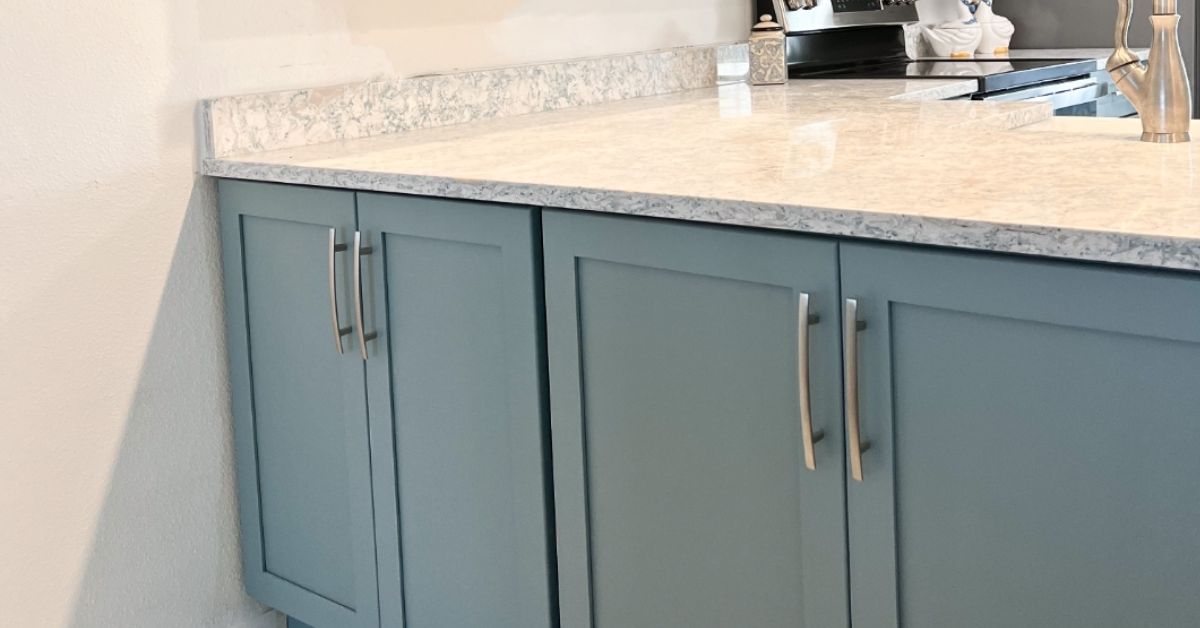
Face frame hinges are ideal for cabinets that have a “face frame,” a solid wood frame attached to the front of the cabinet box. This construction style is very common in American cabinetry. These hinges mount directly onto the face frame and the back of the cabinet door. They come in various forms, some of which are partially visible from the outside, adding a decorative element to the cabinetry.
Inset Hinges
Inset hinges are great for inset cabinet doors, which sit flush within the cabinet frame rather than overlaying it. This style creates a classic, high-end look reminiscent of fine furniture. Inset hinges can be either concealed or exposed. Exposed versions often feature a decorative barrel or finial that becomes a key part of the cabinet’s visual design, contributing to a vintage or traditional aesthetic.
Pivot Hinges
Pivot hinges are installed at the top and bottom of a cabinet door, allowing the door to pivot from a single point. They are often used for inset or flush doors and can support heavier doors than standard side-mounted hinges. Because they require a gap at the top and bottom, they are a less common choice for standard kitchen cabinetry but are perfect for unique, custom applications where you desire a distinctive look.
Self-Closing Hinges
Many modern hinges feature a self-closing mechanism. A spring mechanism built into the hinge pulls the cabinet door shut from a certain point, preventing it from being left ajar. This functional upgrade provides convenience and a satisfying, secure close. Self-closing hinges are available for most cabinet styles, including both face frame and frameless designs, and are a popular feature in today’s kitchens.
Factors To Consider
With a better understanding of the types available, you can now consider the specific factors that will guide your selection. The style of your cabinets, the door overlay, and the desired finish are all key considerations in finding the perfect hinge.
Cabinet Style
The construction of your cabinets is the primary factor determining your hinge options. Framed cabinets, which have a wood frame attached to the front of the cabinet box, require hinges designed to mount on that frame. Frameless cabinets, common in European design, have no face frame, and the doors mount directly to the sides of the cabinet box. Frameless cabinets almost always use concealed hinges to achieve their characteristic clean, modern appearance. Your choice between framed and frameless construction will significantly narrow down your hinge choices.
Overlay
Overlay refers to the extent to which the cabinet door covers the cabinet frame or box. There are three main types. Full overlay doors cover the entire face frame or cabinet front, creating a seamless, modern look. Half- or partial-overlay doors cover only part of the frame, leaving a portion of the frame exposed between each door. Inset doors, as mentioned earlier, sit inside the cabinet frame. Each overlay style requires a specific hinge to position the door correctly relative to the cabinet box. For example, a full overlay door needs a hinge with a straight arm, while an inset door requires a hinge with a more pronounced crank or bend in the arm.
Material and Finish
Hinges are an opportunity to coordinate your hardware. If you choose exposed hinges, their finish should complement your cabinet knobs, pulls, and other metallic elements in the room, such as lighting fixtures and faucets. Legacy Cabinets offers a wide array of finishes, from classic brushed nickel and oil-rubbed bronze to modern matte black and polished chrome. The material of the hinge itself is also important. High-quality steel or brass hinges provide the durability needed to support your hardwood kitchen cabinets for years to come.
Soft Close vs. Standard
A major functional consideration is whether you want soft-close hinges. These hinges have a hydraulic mechanism that engages as the door closes, slowing its motion to a gentle, silent close. This feature eliminates the noise of slamming cabinet doors and can reduce wear and tear on both the doors and the cabinet frames over time. While standard self-closing hinges pull the door shut, soft-close hinges add a touch of luxury and refinement to the experience.
A Note on Installation
While some experienced DIY enthusiasts may tackle hinge installation, we generally recommend professional installation. Achieving perfect door alignment requires precision, patience, and the right tools, including a drill, screwdrivers, a tape measure, and often a jig for drilling hinge cup holes. A professional installer has the expertise to mount the hinges correctly, adjust them to create even gaps, and achieve a flawless final result that elevates the overall look of your kitchen or bathroom.
Finalize Your Perfect Cabinet Design
Choosing the right cabinet hinge is a decision that balances function, style, and cabinet construction. By considering your cabinet type, desired overlay, and preferred finish, you can select a hinge that not only performs flawlessly but also enhances your overall design. From the sleek functionality of concealed soft-close hinges to the classic charm of exposed barrel hinges, the options are plentiful. Legacy Cabinets is proud to offer a wide selection of high-quality hinges to complement our beautiful cabinetry. Explore our visualizer tool to experiment with different looks, or contact our team for expert guidance in creating the home of your dreams.