


Creating the perfect kitchen starts with selecting the right layout. Your kitchen’s design will determine how efficiently you can cook, entertain, organize, and move through the space daily.
Whether you’re working with a compact area or have generous square footage, understanding your specific needs, available space, and lifestyle preferences will guide you toward the most suitable setup. The following guidelines for choosing the right kitchen layout ensure your kitchen becomes a space that truly works for your household.
Assess Your Available Space
Begin by measuring your kitchen area carefully and noting any architectural constraints. Windows, doors, plumbing locations, and electrical outlets all influence which layouts will work best in your space. Consider ceiling height as well, since this affects upper cabinet placement and overall storage options.
Room shape also plays a crucial role in layout selection. Rectangular spaces offer different possibilities than square or L-shaped areas. Identify any structural elements like support beams or awkward corners that might limit your design choices. Understanding these parameters upfront prevents costly changes later in the renovation process.
Understand the Work Triangle Concept
The work triangle connects your sink, stove, and refrigerator in an efficient pathway. This classic design principle minimizes steps between the three most-used kitchen areas. An effective work triangle measures between 12 and 26 feet total, with each leg between 4 and 9 feet long.
Modern kitchens often benefit from multiple work zones rather than a single triangle. If you frequently cook with family members or entertain guests, consider creating separate prep areas that don’t interfere with the main cooking zone. This approach works particularly well in larger kitchens where multiple people need simultaneous access.
Avoid placing obstacles within the triangle that force you to walk around islands or through doorways. Keep pathways clear and direct to maintain efficiency during meal preparation and cleanup.
Consider Your Cooking Habits
Evaluate how you actually use your kitchen before finalizing any layout decisions. Frequent entertainers need different configurations than families who primarily prepare simple weeknight meals. For example, if you bake regularly, ensure adequate counter space near the oven for cooling racks and mixing bowls.
Think about your storage needs based on cooking frequency and food purchasing habits. You will require more pantry space if you buy in bulk, whereas you might prioritize refrigerator access and produce storage if you’re a fresh-food enthusiast. Your preferred cooking methods also matter since serious home chefs might need specialized appliance placement.
Evaluate Different Layout Types
Most kitchen configurations fall into a few umbrella categories, such as the ones below.
Galley
The galley layout works efficiently in narrow spaces by placing work areas along two parallel walls. This configuration creates a natural work triangle and maximizes storage in compact areas. However, galley kitchens can feel cramped, especially if the walkway between counters is too narrow.
L-Shaped
L-shaped layouts fit well in square or rectangular rooms and provide good work triangle efficiency. This design offers flexibility for adding islands or peninsulas while maintaining clear traffic flow. Corner storage solutions become important in L-shaped configurations to avoid wasting space.
U-Shaped
U-shaped kitchens surround you with work surfaces and storage on three sides. This layout provides maximum counter space and storage while keeping everything within easy reach. U-shaped designs work best in larger rooms where the opening between the two arms remains wide enough for comfortable movement.
Island
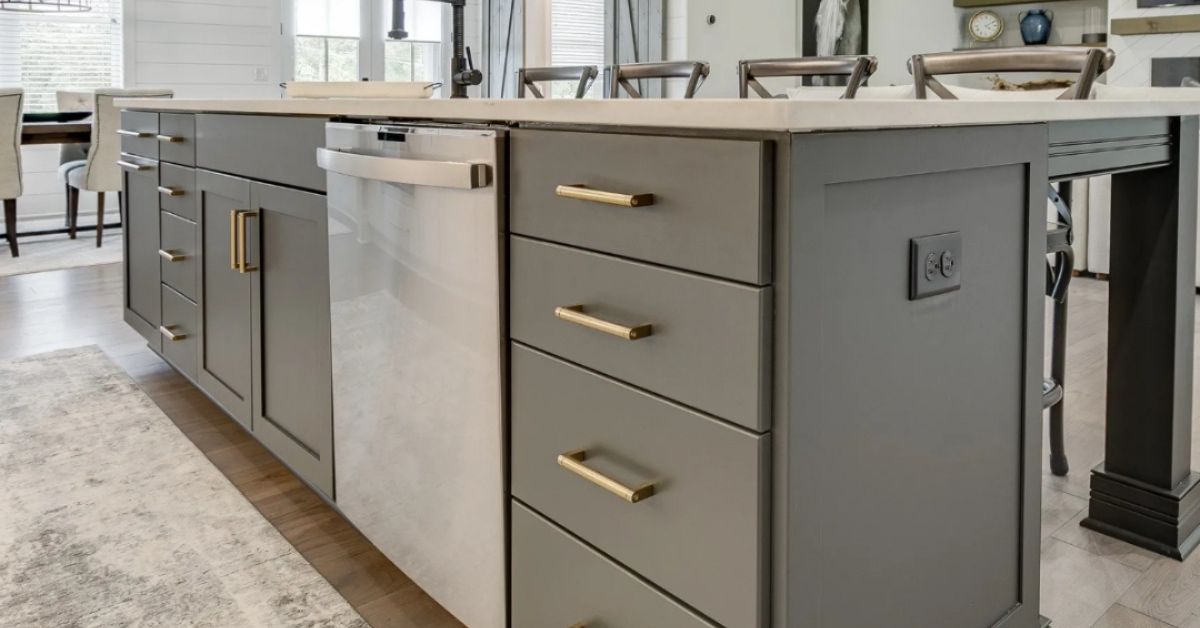
Island layouts add extra workspace and storage to any basic configuration. Islands can house sinks or cooktops or simply provide additional prep space. Ensure adequate clearance around all sides of an island to prevent traffic jams and allow cabinet doors to open fully.
Plan for Storage Solutions
Evaluate your current storage challenges and plan to integrate solutions into your new layout. Consider both visible storage for frequently used items and concealed storage for appliances and bulk goods.
Upper cabinets provide significant storage but can make kitchens feel closed-in if overused. You should balance upper storage with open shelving or leave some wall areas clear to maintain visual breathing room.
On the other hand, lower cabinets and drawers provide more accessible storage than upper cabinets. Deep drawers work particularly well for pots, pans, and small appliances. Include specialized storage solutions like pull-out trash bins, spice racks, and utensil organizers in your layout planning.
For both upper and lower cabinetry, consider installing semi-custom cabinets. These offer the perfect balance of personalization and value, allowing you to optimize storage for your specific needs without the full custom price tag.
Account for Natural Light
Natural light makes it more pleasant to work in your kitchen, and it reduces electricity usage when you cook during the day. Position your sink near windows when possible to take advantage of natural light during food prep and cleanup. Conversely, avoid placing ranges directly under windows where wind might affect gas flames or where grease could quickly soil the views.
Additionally, consider how natural light patterns change throughout the day and seasons. Morning sun might be welcome at a breakfast bar but could create glare on computer screens if you use kitchen counters as a home office space.
Integrate Ventilation
Plan adequate ventilation for your cooking area to manage steam, heat, and lingering smells. Just keep in mind that range hoods require specific clearances and ductwork considerations that affect surrounding cabinet placement. Likewise, island cooktops need downdraft ventilation or overhead systems that impact your kitchen’s visual lines.
Think About Future Flexibility
The right kitchen layout should account for changing needs over time. Young families might prioritize safety features and easy cleanup, while empty nesters often prefer entertaining-focused designs. Consider how your lifestyle might evolve and choose layouts that can adapt.
Don’t forget about how electrical and plumbing placement affects future renovation possibilities. Running additional circuits or relocating water lines adds significant cost to future updates. Plan utility locations thoughtfully to provide flexibility for appliance changes or minor reconfigurations.
And lastly, choose timeless layout principles over trendy designs that might feel dated in a few years. Classic work triangle concepts and logical storage placement remain functional regardless of changing style preferences.
Remember that these guidelines for choosing the right kitchen layout are more starting points than they are rigid rules. Your specific needs and preferences should ultimately drive the decision-making process. If you need more help, professional kitchen designers can help you evaluate trade-offs and optimize layouts for your unique situation, ensuring your new kitchen becomes a space you’ll love using for years to come.