


White kitchen cabinets remain a cornerstone of modern kitchen design, offering timeless appeal and incredible versatility. Their popularity stems from their ability to brighten spaces, create an illusion of larger rooms, and serve as a neutral backdrop for countless design elements. However, styling white cabinets successfully still requires careful consideration of various design principles and common pitfalls.
The key to mastering white cabinet styling lies in understanding both what enhances their beauty and what detracts from their elegance. Many homeowners make critical mistakes that can transform their dream kitchen into a design disaster, while others discover techniques that elevate their space to magazine-worthy status.
Whether you’re planning a complete kitchen renovation or simply looking to refresh your current space, understanding the fundamental dos and don’ts of styling white kitchen cabinets will help you create a kitchen that feels both sophisticated and welcoming. The following guidance will walk you through the essential considerations that separate amateur attempts from professional-quality results.
Do Choose the Right White Shade
Not all shades of white are created equal, and selecting the appropriate shade for your kitchen cabinets makes an enormous difference in the overall aesthetic. Cool whites with blue or gray undertones work beautifully in modern kitchens with stainless steel appliances and contemporary fixtures. Warm whites with cream or yellow undertones complement traditional designs and spaces with natural wood elements.
Consider your kitchen’s natural light exposure when making this decision. North-facing kitchens benefit from warmer whites that counteract the cooler natural light, while south-facing spaces can handle cooler white tones without appearing sterile. The wrong white shade can make your kitchen feel cold and unwelcoming or overly yellow.
Test your chosen white in different lighting conditions throughout the day before making a final commitment. Paint large sample boards and observe how the color changes from morning sunlight to evening artificial lighting.
Don’t Ignore Hardware Selection
One of the most common mistakes homeowners make is treating cabinet hardware as an afterthought. The hardware you choose dramatically impacts the overall style and functionality of your white cabinets. Cheap, poorly finished hardware will cheapen the entire look of your kitchen, regardless of how beautiful your cabinets may be.
Consider the style of your kitchen when selecting hardware. Sleek, minimalist pulls work perfectly in contemporary spaces, while traditional kitchens benefit from more ornate options with classic finishes. Mixed metals can create visual interest, but they require careful coordination to avoid appearing chaotic.
Size matters significantly in hardware selection. Oversized pulls can overwhelm smaller cabinet doors, while tiny knobs get lost on large drawer fronts. Maintain proportion between your hardware and cabinet dimensions for the most polished appearance.
Do Layer Different Textures
White cabinets provide an excellent foundation for incorporating various textures throughout your kitchen design. Smooth cabinet surfaces paired with textured backsplashes, natural stone countertops, or woven basket accessories create visual depth and prevent the space from feeling flat or one-dimensional.
Consider incorporating natural materials such as wood cutting boards, rattan placemats, or linen dish towels to add warmth and organic appeal. These elements soften the crispness of white cabinets and create a more inviting atmosphere.
Mixing smooth and rough textures keeps the eye engaged and creates a sophisticated layered look that feels intentionally curated rather than stark or clinical.
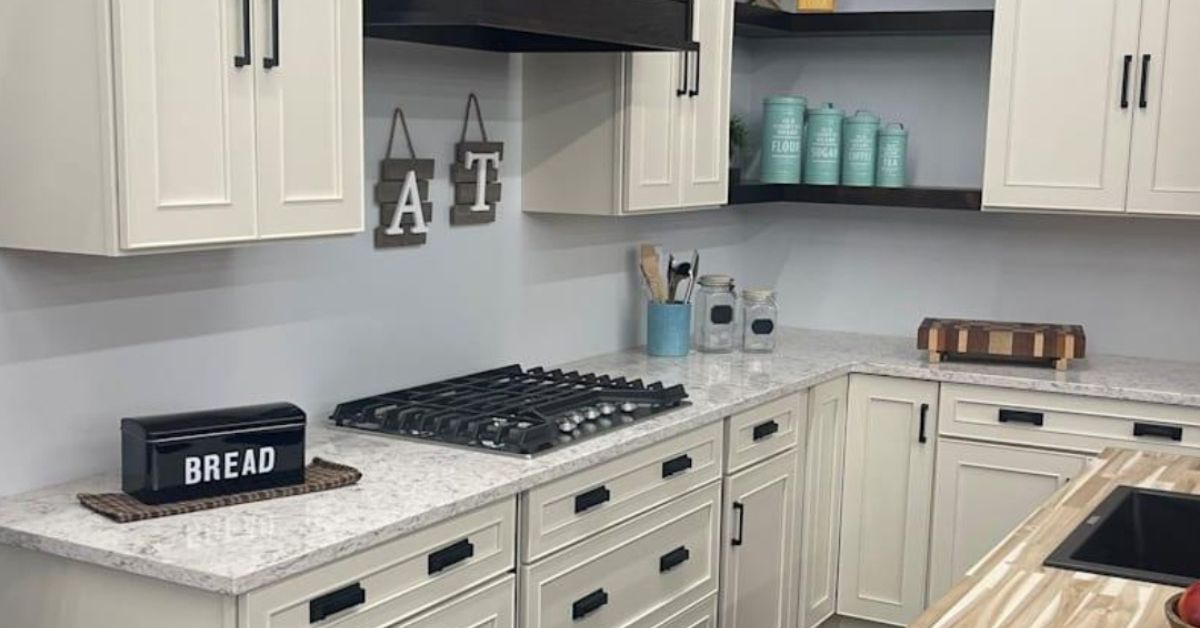
Don’t Create an All-White Everything Approach
While white cabinets are stunning, creating an entirely white kitchen often results in a sterile, hospital-like environment that lacks personality and warmth. Avoid matching every single element to your cabinet color, as this approach eliminates visual interest and can make the space feel cold and uninviting.
Instead, introduce contrasting elements through your backsplash, countertops, flooring, or accent pieces. Even subtle variations in white tones can create depth and prevent the monotonous feeling that comes with perfectly matched whites throughout the entire space.
Remember that contrast creates visual interest and helps define different areas within your kitchen layout.
Do Consider Your Countertop Material Carefully
The countertop material you pair with white cabinets sets the tone for your entire kitchen design. Natural stone options such as marble or granite provide beautiful veining and color variation that complements white cabinets beautifully. Quartz countertops offer consistency and durability while still offering subtle patterns and color options.
Butcher block countertops create warmth and contrast against white cabinets, bringing natural elements into the space. However, they require more maintenance and may not suit every lifestyle or cooking habit.
Consider how your chosen countertop material will age over time, especially in high-use areas around the sink and stove. Some materials develop character with use, while others may show wear in less appealing ways.
Don’t Neglect Proper Lighting Design
Inadequate lighting can make white cabinets appear dull, gray, or even dingy. Proper lighting design includes multiple layers of illumination to showcase your cabinets at their best throughout the day and evening hours.
Under-cabinet lighting eliminates shadows on countertops and provides essential task lighting for food preparation. Without this crucial layer, even the most beautiful white cabinets can appear lackluster and poorly designed.
Overhead lighting should be carefully planned to avoid creating harsh shadows inside upper cabinets or casting unflattering light on cabinet surfaces. Consider the color temperature of your light bulbs, as cooler temperatures can make white cabinets appear blue or gray.
Do Incorporate Color Through Accessories and Decor
White cabinets provide the perfect backdrop for introducing color through easily changeable elements like dish towels, small appliances, artwork, or decorative bowls. This approach allows you to update your kitchen’s look seasonally or whenever you desire a change without major renovation costs.
Choose colors that complement your overall design scheme and reflect your personal style preferences. Bold accent colors can create dramatic focal points, while softer tones maintain a more serene and calming atmosphere.
Consider using advantage series cabinets as your foundation, which provide the quality and durability needed to support various decorative schemes over time.
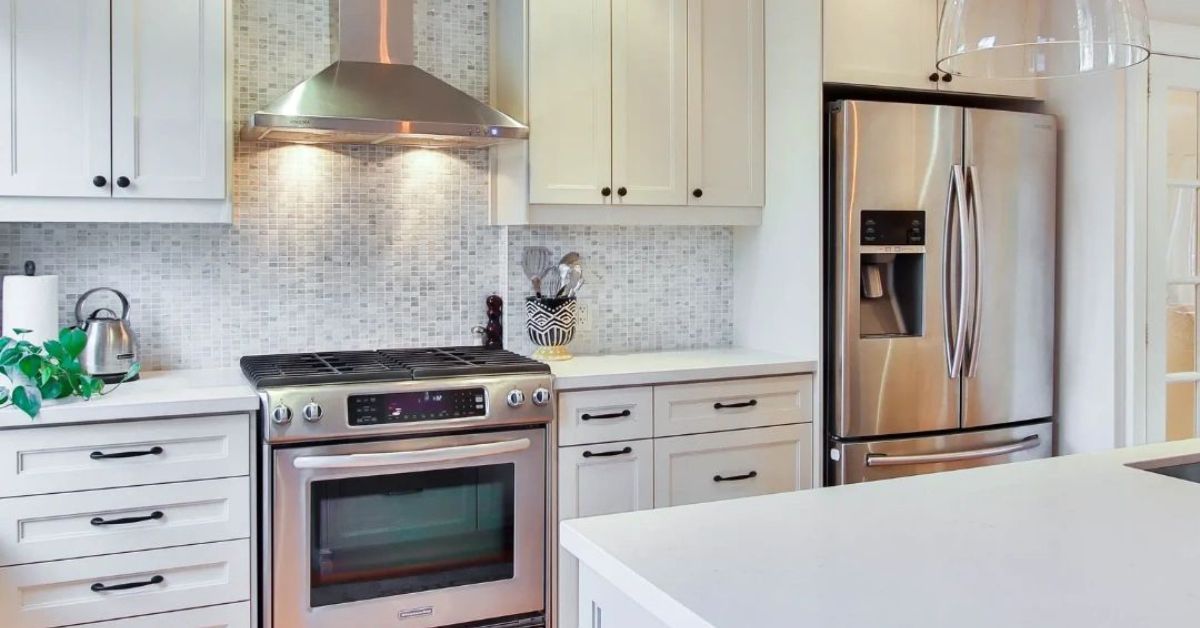
Don’t Overlook Maintenance Requirements
White cabinets require more frequent cleaning and maintenance than darker alternatives, as they show dirt, fingerprints, and wear more readily. Failing to establish a regular cleaning routine can quickly make your beautiful white cabinets appear dingy and neglected.
Choose cabinet finishes that can withstand regular cleaning without damage or discoloration. Semi-gloss or satin finishes typically clean more easily than flat or matte options, though they may show imperfections more readily.
Establish realistic expectations about the upkeep required to maintain the pristine appearance of white cabinets, and ensure you’re prepared for the commitment involved.
Creating Your Perfect White Kitchen
Successfully styling white kitchen cabinets requires thoughtful planning, attention to detail, and careful consideration of how each element works together to create a cohesive design. By following these essential dos and avoiding common don’ts, you’ll create a kitchen that feels both timeless and personally meaningful.
Remember that the best white kitchen designs balance simplicity with interest, cleanliness with warmth, and classic appeal with personal touches. Take time to plan each element carefully, and don’t rush the decision-making process. Your patience and attention to detail will result in a kitchen that serves as both a functional workspace and a beautiful gathering place for years to come.