

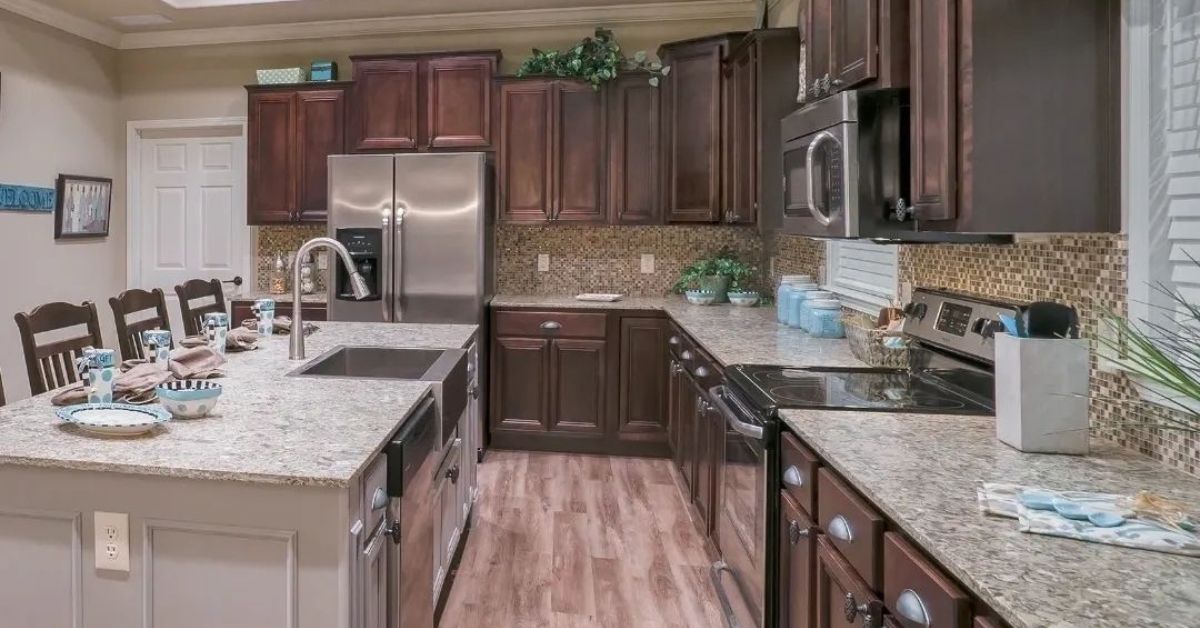
Two kitchens may feature the same cabinet color, yet one highlights bold wood grain while the other looks smooth and uniform. That difference usually comes from the type of stain used during the finishing process. The stain affects the cabinets’ color depth, the visibility of the wood grain, and the overall style of the space. Compare gel stains and traditional oil stains to find the best option for you.
Gel vs. Oil Stain Basics
Gel stains and oil stains behave very differently on wood surfaces. Oil stain penetrates the wood fibers and adds color below the surface. It produces a more transparent finish that highlights the wood’s natural grain patterns.
Gel stain, on the other hand, stays closer to the top layer of the wood and forms a thicker coating. It creates richer color that spreads evenly across the surface, which can soften strong grain variation.
Evaluate Cabinet Condition
Even with new cabinetry, the condition and construction of the wood can influence which stain you will prefer. Different cabinet components may contain slight variations in grain pattern or natural tone.
Gel stains tend to produce a more uniform color across varying grain patterns, while oil stains highlight the wood’s natural character. That’s why it helps to look closely at the cabinet’s details before choosing between a gel stain and a traditional oil stain.
These cabinet features can affect how the stain looks:
- Cabinets built with more than one wood component.
- Doors and frames that show noticeable grain variation.
- Panels with natural light-to-dark shifts in the wood.
- Raised-panel doors or profiles with extra detail.
- Large, flat cabinet runs where consistent color matters.
Wood Grain and Absorption
Wood grain is the natural pattern you see on the surface of wood, created by the way the tree grew over time. It appears as lines, waves, or swirls, and it can look subtle in some species and bold in others. Grain also includes the tiny pores and fibers in the wood, which play a big role in how the surface takes color.
Because stains interact with those pores and fibers, wood grain directly shapes how the finished cabinets look. Open-grain woods have larger pores, so they pull in more pigment and create deeper color with more light-and-dark contrast. Tight-grain woods absorb stain more evenly, which gives the cabinets a smoother, more consistent look with less dramatic variation.
Consistency Between Cabinet Parts
Even new cabinets can show slight differences in grain or tone between doors, frames, and panels. These variations occur naturally in wood and can become more visible once the stain is applied. Oil stain tends to highlight these natural shifts because it penetrates the wood, making the grain and tone differences more noticeable. Gel stain sits closer to the surface, so it can soften the contrast between cabinet parts.
When Gel Stain Works Best
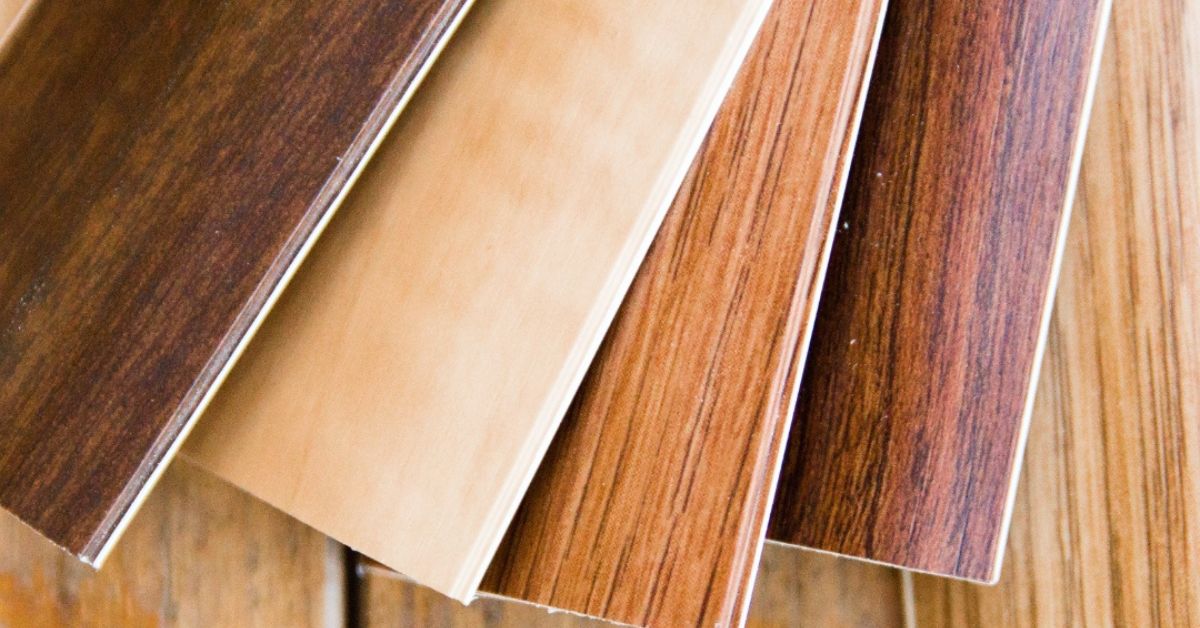
Gel stain works well when a kitchen design calls for a consistent cabinet color. Its thicker formula spreads evenly across the wood surface and reduces the contrast between lighter and darker grain areas. This quality makes it a strong choice when homeowners prefer a smooth, uniform cabinet finish.
The texture of gel stain also allows the color to build gradually across the cabinet surface. That process helps create balanced color across cabinet doors, drawer fronts, and frames, even when the wood grain varies slightly.
When Oil Stain Shines
Oil stain remains a popular choice for cabinetry that showcases natural wood. Fresh wood absorbs oil stain deeply, producing rich color and long-lasting results. By penetrating the wood fibers, the oil stain slightly conditions and stabilizes the surface. This helps the wood accept protective topcoats more evenly and supports the durability of the finished cabinetry.
That deeper penetration highlights wood grain beautifully. Kitchens that feature oak, walnut, or cherry cabinetry frequently rely on oil stain to emphasize the natural character of the wood.
Avoid Blotchy Color
Uneven color remains one of the most common concerns when selecting cabinet stains. Certain woods absorb stains at different rates, creating darker and lighter patches across the surface. Gel stain reduces blotchy areas by limiting deep absorption into the wood fibers. Oil stain may require additional preparation to balance absorption across the wood surface.
High-quality cabinets provide a strong foundation for any finish, allowing the stain color to appear more refined and consistent. Homeowners who install made-to-order cabinets gain the advantage of selecting styles, materials, and finishes tailored to their space.
Dark Stains
Dark cabinet stains create a rich, dramatic look that works well in traditional kitchens. Deep tones like espresso or dark walnut emphasize wood grain while adding contrast against lighter countertops and backsplashes. These stains often pair with classic design elements such as detailed door profiles, crown molding, and warm lighting.
Medium Stains
Medium stains offer a balanced appearance that fits comfortably within transitional kitchens. Shades such as honey, chestnut, or warm brown highlight the wood grain without making it the dominant visual feature. This flexibility allows medium stains to work well alongside both traditional and modern materials.
Light Stains
Light stains help create bright, open kitchens that feel fresh and modern. Tones like natural oak, light maple, or blonde wood allow more of the wood’s natural color to show through. These lighter finishes pair well with minimalist cabinetry, simple hardware, and Scandinavian-inspired design.
How Lighting Affects Stain Color
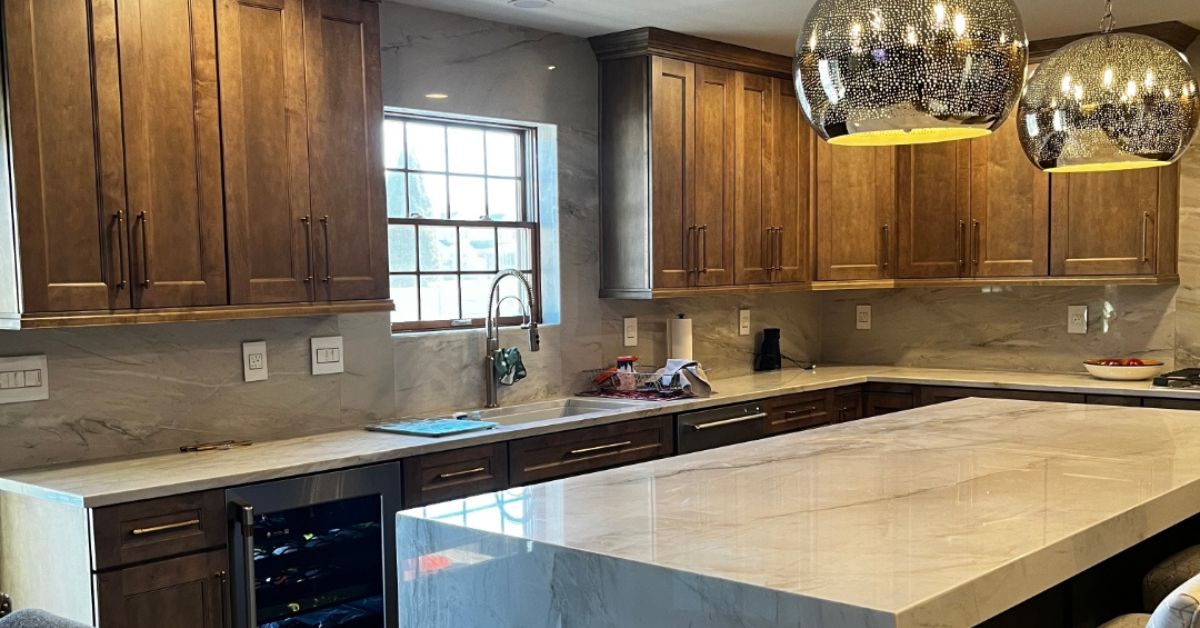
Cabinet stain can look very different depending on the lighting in your kitchen. Natural sunlight, overhead fixtures, and under-cabinet lighting all influence how the color and grain appear. A stain that looks warm and rich in a showroom may appear lighter or cooler once installed in your home.
Surrounding materials also affect how stain colors are perceived. Countertops, backsplashes, wall colors, and flooring can reflect light onto the cabinet surface and subtly shift how the stain reads.
When evaluating stain colors for your kitchen, these tips can help you see how lighting may affect the result:
- View stain samples in both natural daylight and artificial lighting.
- Compare samples near your flooring, countertops, and backsplash materials.
- Look at cabinet finishes at different times of day as lighting changes.
- Avoid judging stain color from a small sample alone; larger surfaces show color more accurately.
- Consider how under-cabinet or accent lighting can brighten certain areas and make the wood grain and color variation stand out more.
Both gel stains and traditional oil stains offer beautiful results when paired with the right cabinetry. Oil stains highlight natural grain and texture, while gel stains create a more uniform, polished look. The best option depends on the wood, the cabinet design, and the style you want the kitchen to express. Meet with your showroom consultant to review the cabinet wood and door style, then request a finish sample in your chosen stain.