

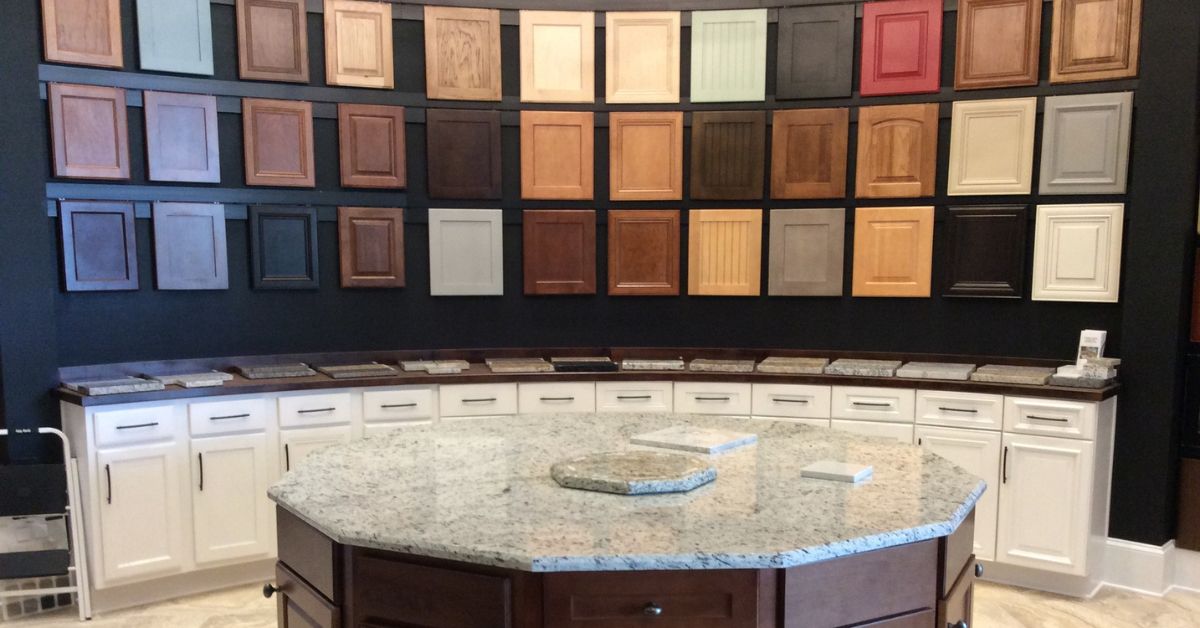
Renovating a kitchen requires hundreds of small decisions, but few impact the final look and feel of your home as much as the cabinetry. While online galleries and digital mood boards provide inspiration, they flatten the experience. You cannot feel the weight of a door, hear the silence of a soft-close hinge, or see the depth of a glaze through a computer screen. A visit to a showroom remains the most effective way to judge quality and functionality.
Walking into a showroom offers an education in craftsmanship. It allows you to investigate the structural integrity and design nuances that manufacturers often obscure in catalog descriptions. However, a showroom can also feel overwhelming without a clear plan. Rows of vignettes and walls of door samples might distract you from the critical details that determine long-term value.
Solid Wood Composition
Your first inspection point involves the materials that make up the cabinet face. High-quality cabinetry typically uses solid hardwoods for the doors, drawer fronts, and face frames. Look closely at the grain patterns. Authentic hardwoods like maple, cherry, oak, or walnut possess natural variations that laminates struggle to replicate convincingly.
Touch the surfaces. Solid wood feels substantial and warm, whereas lower-quality substrates might feel plasticky or unnaturally cold. Ask the showroom staff to identify which wood they used for specific displays. You can save a lot of disappointment later by understanding the difference between a solid wood door and a particle board door wrapped in veneer. Solid wood withstands the wear and tear of a busy kitchen much better than composite alternatives, which can swell or delaminate if the surface sustains a scratch.
Plywood Box Construction
While the doors grab your attention, the cabinet box does the heavy lifting. Open the cabinet doors and look at the walls and back panel. Superior cabinets use furniture-grade plywood for the box construction. Plywood holds screws securely and resists moisture absorption better than particle board.
Many budget lines rely on particle board or medium-density fiberboard (MDF) for the box. While these materials have their place, they lack the structural rigidity of plywood. If a pipe leaks under the sink, plywood generally maintains its integrity, whereas particle board acts like a sponge and crumbles. Ask the design team to show you a cut-away section of the cabinet box. You want to see distinct layers of wood veneer, which indicates plywood, rather than a uniform, sawdust-like texture.
Dovetail Drawer Boxes
Pull a drawer all the way out and look at the corner where the side meets the front. You want to see a pattern that looks like interlocking puzzle pieces. Woodworkers call these dovetail joints. This construction method locks the pieces of wood together, creating a bond that resists being pulled apart.
Manufacturers who prioritize quality almost always use dovetail joinery for their drawers. Lower-tier options often rely on staples, dowels, or butt joints held together with glue. Over time, the force of opening and closing a weighted drawer causes staples to fail, leaving you with a drawer front that pulls off in your hand. Dovetail drawers signify a commitment to longevity and traditional craftsmanship.
Soft-Close Hinges and Glides
Operate the doors and drawers multiple times. Push the drawer closed with a bit of force. A high-quality suspension system catches the drawer before it slams, gently pulling it the rest of the way in. This soft-close feature does more than reduce noise; it reduces the stress on the cabinet joints and protects the finish from cracking due to constant impact.
Inspect the hinges on the doors as well. Look for six-way adjustable hinges, which allow the installer to align the doors perfectly. Stiff or squeaky movements indicate inferior hardware. The hardware is the engine of your kitchen; if it falters, the entire experience of using the space suffers.
Framed and Frameless Options
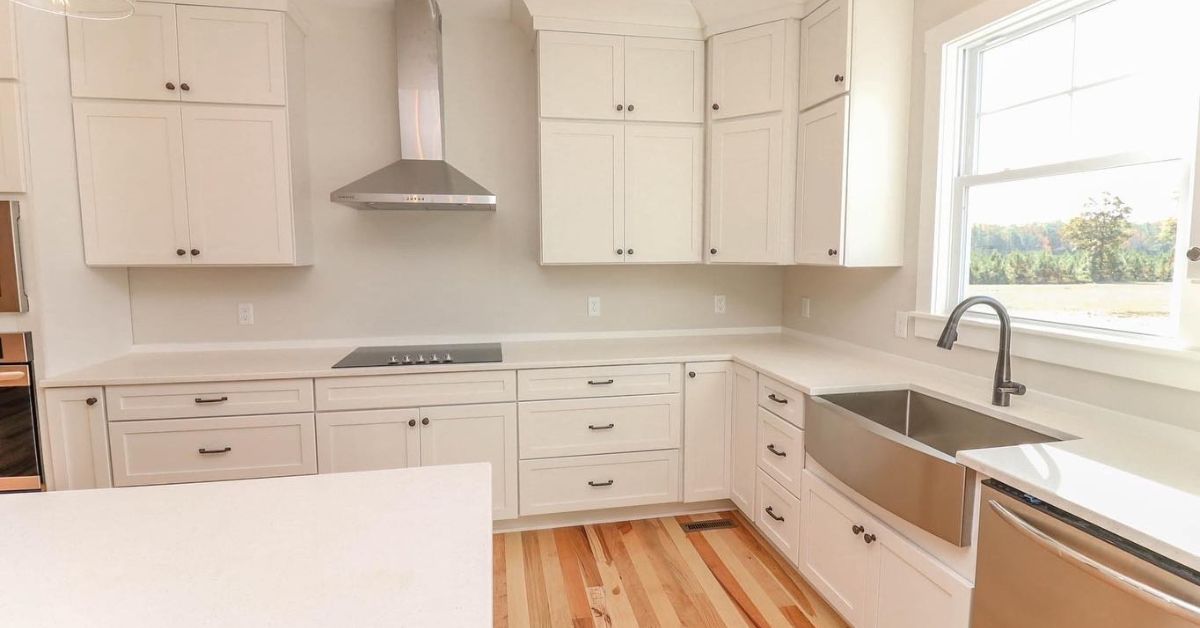
Determine which construction style suits your aesthetic. You will likely encounter framed kitchen cabinets which offer a traditional look where a face frame masks the front of the cabinet box. This style provides stability and creates a classic profile often associated with American design.
Alternatively, look at frameless or full access cabinets. These offer a sleek, European appearance with tighter reveals between doors and slightly more interior storage space. Comparing these two styles side-by-side in the showroom helps you visualize how the final lines will look in your home. The choice affects not just the style, but also the accessibility of your items.
Functional Storage Inserts
Modern cabinetry focuses heavily on utility. Don’t just stop at the exterior; explore what happens inside the cabinets. Look for integrated storage solutions that organize specific items.
- Trash and recycling pull-outs
- Vertical tray dividers for baking sheets
- Spice drawer inserts
- Corner solutions like Super Susans or magic corners
- Cutlery dividers
Comprehensive Warranty Terms
While you cannot see a warranty on a physical product, you must look for the documentation. A warranty reflects the manufacturer’s confidence in their product. Ask the showroom staff to explain the warranty coverage in detail.
Look for a limited lifetime warranty. This generally covers defects in materials and workmanship for as long as you own the home. Be wary of warranties that only last one or five years, as cabinet failures often occur after the initial break-in period. Reading the fine print now saves you from unexpected costs if a hinge fails or a finish discolors prematurely.
Making the Final Decision
A cabinet showroom visit with Legacy Cabinets serves as your primary fact-finding mission. By rigorously inspecting the construction, materials, and mechanics, you strip away the marketing fluff and see the product for what it truly is. What’s more, the firsthand look gives you an opportunity to see the cabinets in your space, visualizing if they’ll fit your ideal design.
Take notes on the specific lines and features that impressed you. Compare the tactile experience of the different brands. Once you identify the cabinetry that meets your standards for quality and style, you can move forward with measurements and layout planning. Secure a consultation with a designer who demonstrated the knowledge you trust, and start the process of building a kitchen designed to last.