

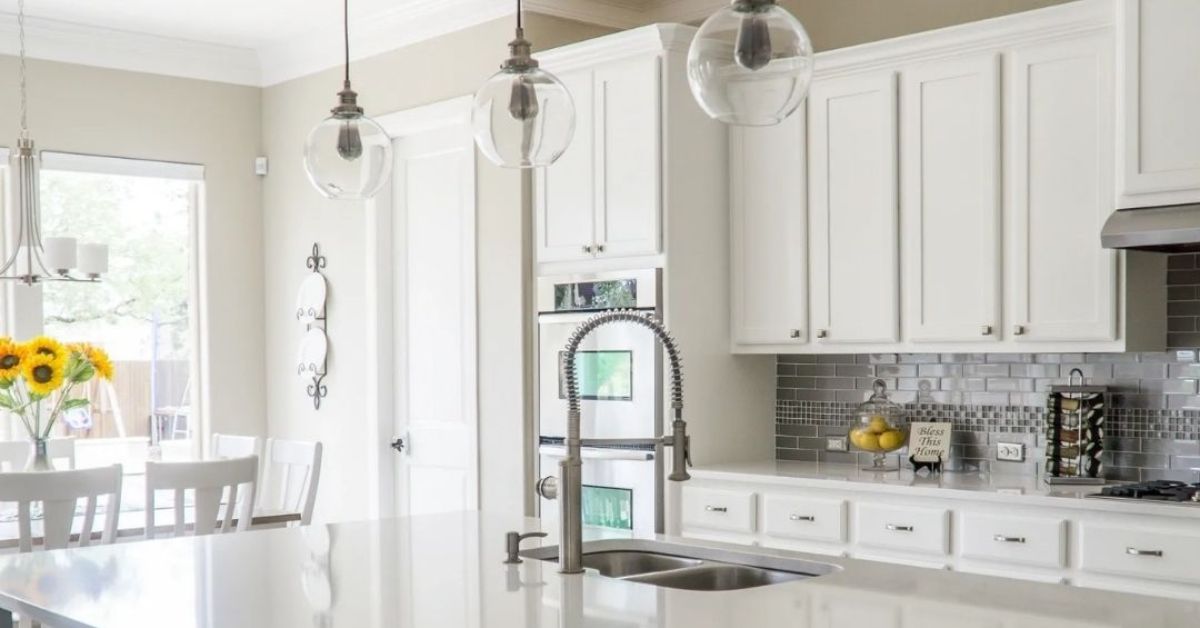
Kitchen cabinet design has moved far beyond basic boxes on the wall. Today’s homeowners and contractors look for ways to add character and practical storage without overwhelming the space. Staggered cabinet heights change how a kitchen feels by breaking up long, flat lines and adding visual depth. Learn why people love staggered-height cabinets to see if this design is right for you.
What Are Staggered Cabinets?
Staggered-height cabinets are upper cabinets installed at varying heights rather than a single straight line across the wall. Some cabinets extend higher toward the ceiling, while others stop lower, creating a stepped or layered look. This design adds visual interest and draws the eye upward.
Designers use staggered layouts to break up long runs of cabinetry. As a result, kitchens feel more dynamic and less boxy. The style works especially well with crown molding, glass inserts, and decorative range hoods.
Why Homeowners Choose Them
Homeowners choose staggered cabinets for their style and practicality. Taller cabinets provide extra storage for items used less frequently, while shorter ones keep everyday essentials within easy reach.
Contractors and builders also appreciate how this layout enhances kitchens. It gives a built-in, upgraded look without overcomplicating the floor plan. In homes undergoing remodeling, staggered heights can refresh the space without moving walls or appliances.
Visual Impact in Kitchens
Straight cabinet lines can look clean, yet they sometimes appear flat in larger kitchens. Adding height variation introduces dimension and shadow lines, creating architectural depth.
Moreover, the eye naturally follows vertical lines. When a few cabinets extend to the ceiling, the room appears taller. That effect works especially well in open-concept homes because the eye moves freely across connected spaces, and added height defines the kitchen visually without walls.
Creating Focal Points
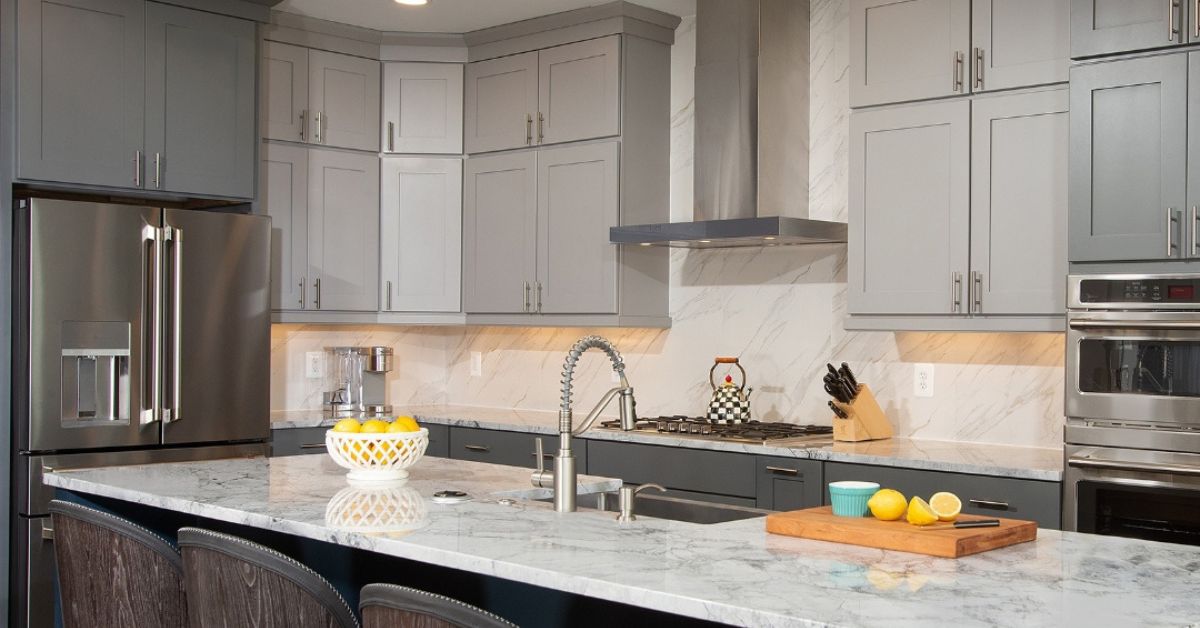
Designers frequently use staggered heights to frame a focal point, such as a cooktop wall or decorative hood. A taller cabinet run around the hood creates a layered backdrop that highlights the centerpiece. Glass-front doors or accent finishes add even more contrast.
A thoughtful layout keeps the design cohesive. You can match door styles and finishes across all cabinets to maintain visual unity. This way, the variation in the cabinetry feels intentional rather than random.
Storage Advantages To Consider
Staggered-height cabinets offer meaningful storage benefits in busy households. Taller upper cabinets offer room for seasonal dishes, large platters, or specialty appliances. Meanwhile, lower sections keep everyday plates and glasses within comfortable reach.
Before choosing the cabinet layout, consider how you will:
- Store holiday serveware and oversized platters that you use seasonally.
- Keep small appliances like mixers or air fryers off the counter but within reach.
- Organize bulk pantry items to keep them accessible and orderly.
- Slide specialty cookware and baking sheets into spaces that fit their size.
- Display decorative pieces or glassware while protecting them from dust and damage.
Each of these items benefits from dedicated space. Planning around real storage needs helps you decide how much cabinet height variation makes sense for your household.
Maximizing Vertical Space
When considering if staggered-height cabinets are right for you, keep your kitchen’s ceiling height in mind. In kitchens with eight-foot ceilings, modest staggered variation adds interest without overwhelming the room. Nine- or ten-foot ceilings allow for dramatic vertical runs and stacked cabinetry.
Staggered-height cabinets can help you use vertical space in your kitchen more efficiently. Instead of leaving a gap above cabinets that collects dust, taller units take advantage of every inch of available space.
Design Styles That Work
Staggered cabinets fit a wide range of kitchen styles. Transitional kitchens, which blend traditional and modern elements, frequently use this layout. Raised-panel doors paired with crown molding look especially polished when arranged in a staggered design.
Contemporary kitchens also benefit from subtle height changes. Flat-panel doors in a single finish keep the look clean, while slight variations prevent the space from feeling sterile. The key to using your cabinetry to support your overall design style lies in thoughtful proportion and balance.
Coordinating Finishes And Details
Hardware, molding, and decorative panels define the kitchen’s final appearance. Crown molding that follows the highest cabinet line creates a unified top edge. Light rail molding along lower cabinets softens under-cabinet lighting.
Color choices matter as well. Keeping all cabinets in the same finish maintains cohesion. Alternatively, a contrasting island can anchor the room and complement the variation in upper cabinets.
Potential Drawbacks
Staggered cabinets are not the perfect fit for every kitchen. In smaller spaces with low ceilings, too much height variation can make the room feel crowded. You can limit the number of taller cabinets and keep the height differences subtle to maintain visual balance. You can also choose lighter finishes and streamlined molding to prevent the upper wall from feeling heavy.
Budget also factors into the decision. Taller cabinets, additional molding, and decorative features may increase material and installation costs. However, many homeowners view the upgraded appearance as worth the investment.
Ideal Homes And Layouts
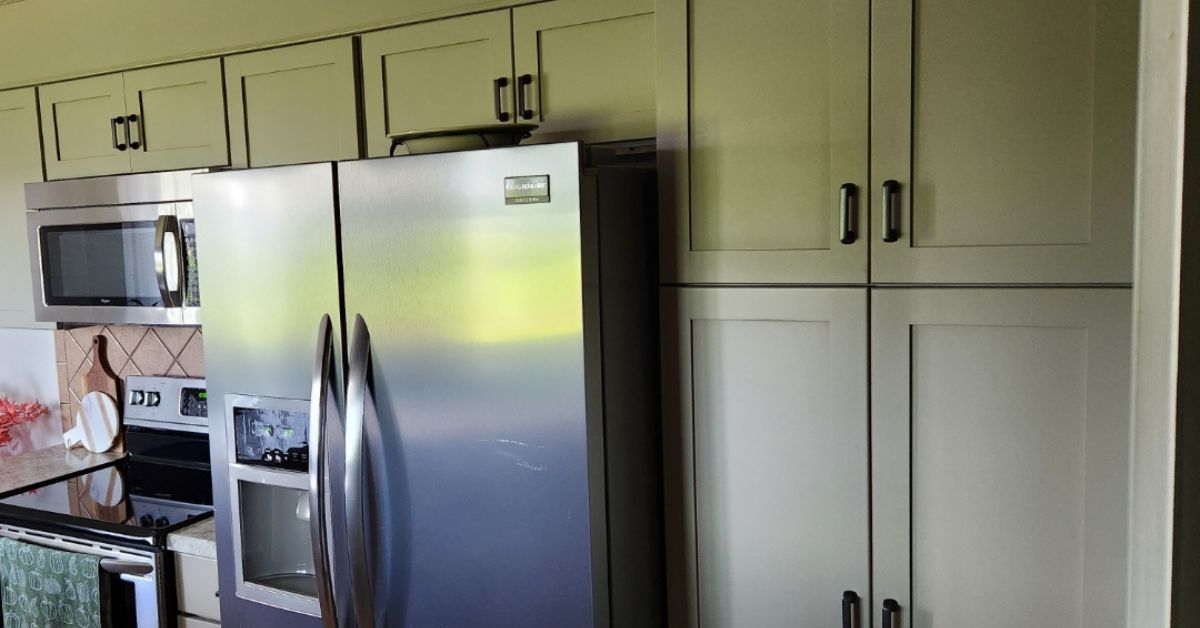
Certain kitchen layouts pair especially well with staggered heights. Open-concept homes benefit from added visual interest along long walls. Larger kitchens with expansive cabinet runs provide more flexibility for layering.
If you are considering this style, evaluate these factors first:
- Ceiling height and available vertical space.
- Overall kitchen square footage.
- Placement of windows and doors.
- Range hood or cooktop location.
- Adjoining rooms in an open floor plan.
Each factor influences how dramatic the staggered effect should be. A balanced design feels integrated with the rest of the home.
Working With Professionals
Contractors and homeowners alike benefit from expert guidance during planning. Cabinet manufacturers offer detailed specifications that clarify available heights and configurations. Reviewing those options early prevents surprises later.
The popular Advantage cabinets support a wide range of customizable configurations. Homeowners can adjust where certain cabinets begin and end, which changes both the upper crown line and the lower alignment above the backsplash.
Choosing cabinetry shapes how your kitchen looks and functions every day. Staggered heights add dimension, maximize vertical storage, and create a more custom-feeling layout. At the same time, they require thoughtful planning around ceiling height, budget, and overall style. With the right guidance from a cabinetry professional, you can select a layout that supports your storage needs and elevates your entire home.